
Cloned payment cards are one of the most common tools used in financial fraud. Once criminals obtain stolen card data, they can replicate it onto blank cards or use the information directly for unauthorized transactions. This type of fraud affects both individuals and businesses, leading to financial losses and security concerns. Understanding how cloned cards are used helps raise awareness and improve protection against these illegal activities.
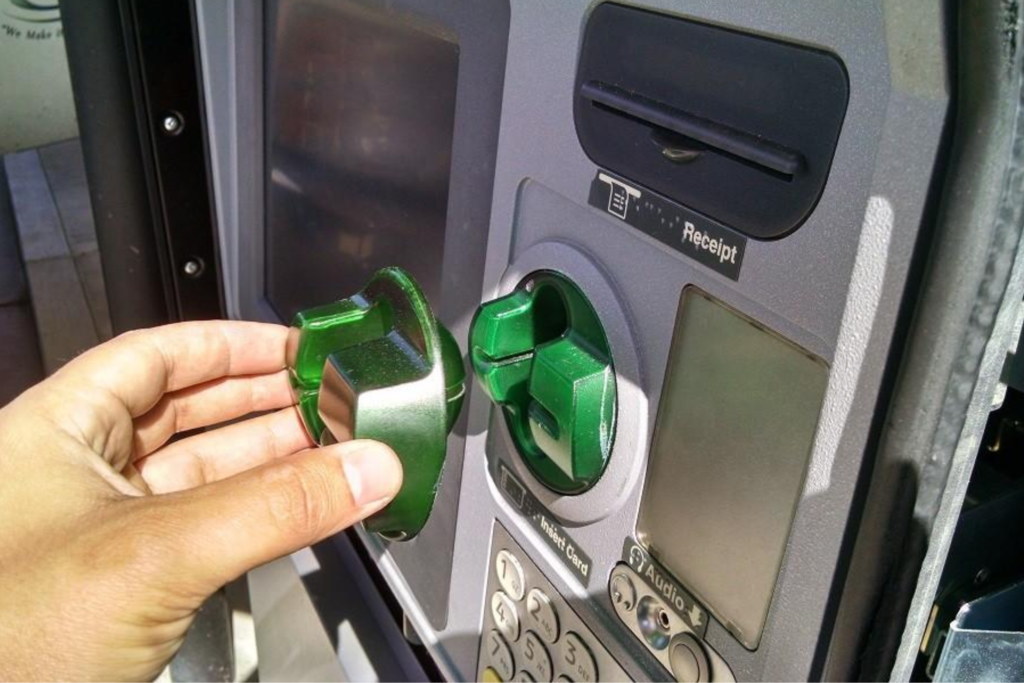
A cloned payment card is a counterfeit copy of a legitimate debit or credit card. Fraudsters transfer stolen card details, such as the card number, expiration date, and security code, onto another card or digital platform. These cloned cards function similarly to original cards and can be used in stores or ATMs until they are detected and blocked by banks.
Criminals gather card information through multiple illegal methods. Skimming devices installed on ATMs and payment terminals are widely used to capture card details. In addition, phishing emails trick users into entering sensitive information on fake websites. Large-scale data breaches from online retailers and financial institutions also expose millions of card records to cybercriminals.
Once card data is cloned, criminals use it in several ways. Some create physical fake cards to withdraw cash or make in-store purchases. Others use stolen details for online shopping or transferring money to untraceable accounts. In some cases, fraudsters test small transactions first to verify if the card is still active before making larger purchases.
Card cloning causes serious damage to both consumers and businesses. Consumers face financial losses, stress, and time-consuming recovery processes. Businesses may suffer chargebacks, reputational damage, and increased security costs. Merchants who accept fraudulent transactions can also face penalties from payment processors.
Preventing card cloning requires strong security measures from both users and financial institutions. Banks now use chip-and-PIN technology, real-time fraud detection, and transaction monitoring systems. Consumers can also reduce risks by using contactless payments, avoiding suspicious machines, and enabling transaction alerts for immediate notifications.
Cloned payment cards are a serious threat in today’s digital economy. Criminals use stolen data in various ways, from physical card duplication to online fraud. However, improved security technologies and informed consumer behavior can significantly reduce the risk. By understanding how cloned cards are used, individuals and businesses can take proactive steps to protect their financial systems and reduce exposure to fraud.