
Fake notes often spread in specific environments where cash transactions are frequent and verification is weak. Criminals take advantage of busy places, small businesses, and fast-paced transactions to pass counterfeit currency without detection. Understanding where fake notes are most commonly circulated can help individuals and businesses stay more alert and reduce financial losses.
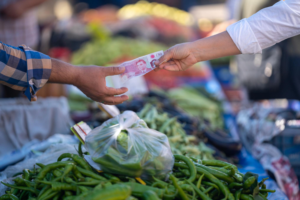
One of the most common places for fake notes to circulate is crowded marketplaces. In these environments, transactions happen quickly, and sellers may not carefully inspect each note. Street vendors are especially vulnerable because they deal with many customers in a short time.
Bus stations, taxi stands, and informal transport services are also common areas where fake notes are used. These locations often involve quick payments, making it difficult to verify each note properly.
Small retail shops are frequent targets because they may not have advanced currency checking tools. Employees may also lack training in identifying counterfeit notes.
During festivals, fairs, and large gatherings, the flow of cash increases significantly. Criminals often use these opportunities to circulate fake notes among large crowds.
Private cash deals and informal exchanges are another major source of counterfeit circulation. Since these transactions are often unregulated, fake notes can easily go unnoticed.
Fake notes spread most easily in environments where cash handling is fast and unregulated. By understanding these common areas, individuals and businesses can become more cautious and improve their ability to detect counterfeit currency. Awareness and careful checking are the most effective tools for reducing the circulation of fake money.