
Card cloning is a form of financial fraud in which criminals illegally copy the information stored on a payment card and use it to make unauthorized purchases or withdrawals. As digital payments continue to grow, fraudsters have developed increasingly sophisticated methods to steal card data from consumers. Understanding how card cloning works and the risks it poses can help individuals take the necessary precautions to protect their financial information. This article explains the basics of card cloning, how criminals obtain card data, the impact on victims, warning signs of fraud, and effective prevention strategies.
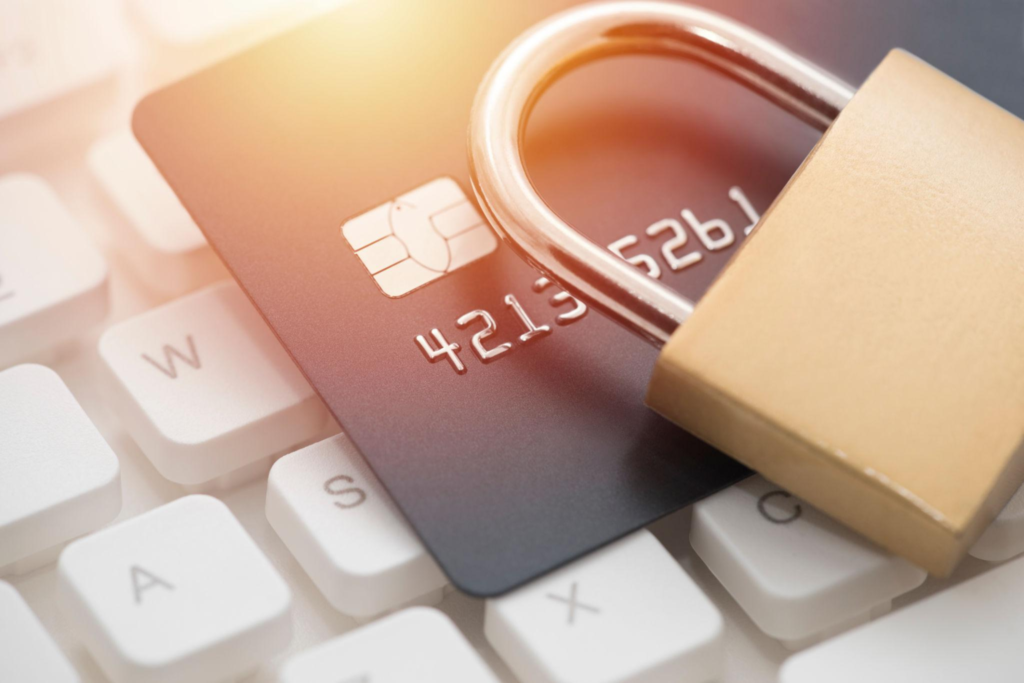
Card cloning refers to the unauthorized duplication of payment card information onto another card or device. Criminals typically target debit and credit cards because they can be used to access funds directly or make purchases. Unlike physical theft, card cloning often occurs without the cardholder realizing that their information has been compromised. Once the data is copied, fraudsters may create counterfeit cards or use the stolen details for online transactions.
Fraudsters use various techniques to steal card information. One common method involves installing skimming devices on ATMs or payment terminals. These devices secretly capture card details when customers insert their cards. Criminals may also obtain information through phishing emails, fake websites, data breaches, or malware that records sensitive information entered online. As technology evolves, cybercriminals continue to find new ways to exploit security weaknesses.
The consequences of card cloning can be significant. Victims may discover unauthorized charges, missing funds, or suspicious account activity. In some cases, banks temporarily freeze accounts while investigating fraud claims, causing inconvenience and financial stress. Although many financial institutions offer fraud protection, recovering stolen funds can take time and may require extensive documentation and verification.
Recognizing the early signs of card fraud is essential for minimizing losses. Unexpected account notifications, unfamiliar purchases, or ATM withdrawals that the cardholder did not authorize may indicate that card information has been compromised. Regularly reviewing bank statements and transaction histories can help identify suspicious activity before significant damage occurs.
Consumers can take several steps to reduce the risk of card cloning. Using secure payment methods, avoiding suspicious websites, and inspecting ATMs for unusual devices can help prevent data theft. Enabling transaction alerts and frequently checking account activity provide an additional layer of protection. Financial awareness and good security habits remain some of the most effective defenses against fraud.
Card cloning remains a serious financial threat that affects consumers and businesses worldwide. By understanding how criminals obtain card information and recognizing the warning signs of fraud, individuals can better protect themselves from financial losses. Staying vigilant, monitoring account activity, and following recommended security practices can significantly reduce the likelihood of becoming a victim. As payment technology continues to evolve, awareness and proactive security measures remain essential tools in the fight against financial fraud.